There’s a Bear in our Backyard! – Three Kinds of Bear Markets
Not all bear markets are the same. Understanding the three types can help you stay calm and make better decisions.


There’s a Bear in our Backyard! – Three Kinds of Bear Markets
A bear market is commonly defined as a decline of 20% or more from recent highs. We are now firmly in bear market territory. But not all bear markets are the same — understanding the type of bear market we're in can help you make better decisions and stay calm during turbulent times.
The Three Types of Bear Markets
1. Structural Bear Markets
These are the most severe and long-lasting bear markets, typically triggered by a fundamental breakdown in the financial system or economy. Examples include the Great Depression (1929–1932) and the 2008–2009 financial crisis. Structural bear markets can result in declines of 50% or more and can take many years to recover. They are caused by serious underlying problems: excessive leverage, financial fraud, broken business models, or major economic misallocations.
2. Cyclical Bear Markets
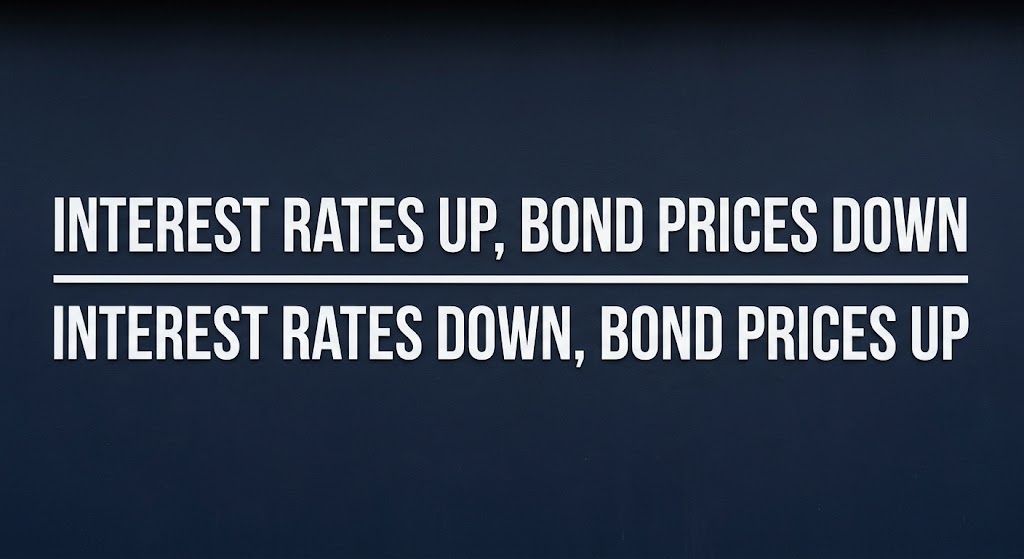
Cyclical bear markets are tied to the normal economic cycle of expansion and recession. They are caused by rising interest rates, tightening credit conditions, and slowing economic growth — which is precisely what we are experiencing today. These bear markets typically last 12–18 months and result in declines of 20–30%. They are painful but relatively normal, and recoveries tend to be robust.
3. Event-Driven Bear Markets
These are sharp, fast drops caused by a specific external event — a war, a pandemic, a natural disaster, or a geopolitical shock. The COVID crash of March 2020 is a perfect example: the market fell approximately 34% in just five weeks, then recovered to new highs within six months. Event-driven bear markets tend to be the shortest and shallowest in nature, though they feel terrifying in the moment.
Which Type Are We In Now?
The current bear market looks most like a cyclical bear market — driven by the highest inflation in 40 years and the Federal Reserve's aggressive response. While this is deeply uncomfortable, the historical pattern suggests that once the Fed brings inflation under control and rates stabilize, the conditions for recovery will be in place.
What to Do in a Bear Market
- Secure your income needs. If you need to draw from your portfolio in the next 1–2 years, make sure those funds are in low-risk, liquid assets — not subject to further market declines.
- Stay diversified. Diversification doesn't prevent losses, but it reduces the severity.
- Consider rebalancing. Bear markets create opportunities to buy stocks at lower prices, restoring your target allocation.
- Don't try to time the market. The best and worst market days are often clustered together. Missing the best days by being out of the market is a costly mistake.
We are here to help you navigate this period. Please don't hesitate to reach out.
Willy Gevers CPWA
Willy Gevers is a CPWA® advisor and president of Gevers Wealth, bringing over 25 years of experience helping families grow, protect, and transfer wealth — with deep expertise in executive benefits, stock options, and estate planning. When he's not in the office, you'll find him on the water fly fishing, mountain biking with his family, or hosting friends for a day on the river.
Continue Reading
Discover additional articles to help you stay informed and make thoughtful financial decisions over time.
.jpg)









.png)
.jpg)

























Book a Free Assessment Today
Set up a relaxed introductory call to see if we are a good fit.