The Debt Ceiling, Defaults, and Diversifying
What the debt ceiling debate means for your investments and why diversification matters more than ever.

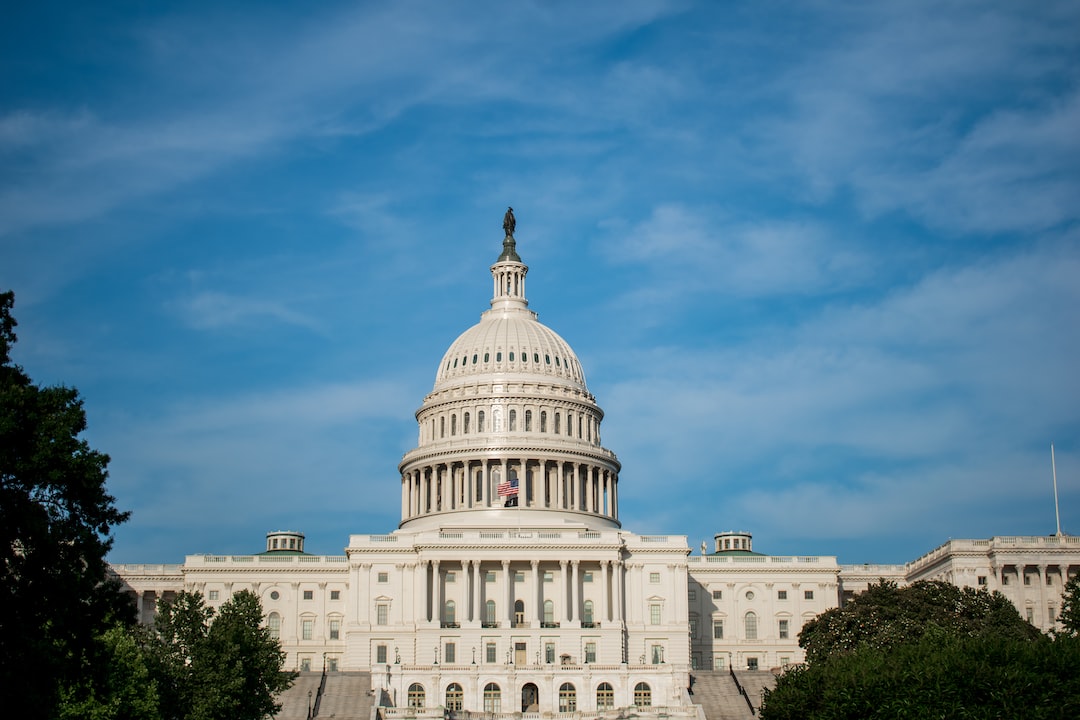
The Debt Ceiling, Defaults, and Diversifying
What is the Debt Ceiling?
The US government covers its spending through taxes, assets, and debt. Congress places a limit on their own debt called the debt ceiling. The US and Denmark are the only two nations to have a debt ceiling — and this limit has done little to keep spending in check, as Congress revisits and increases it every few years.
Of the $6.27 trillion the government spent in 2022, $1.38 trillion was covered by new debt. The United States recently reached the current ceiling of $31.4 trillion and is using the last of its reserves. If Congress does not raise the ceiling soon, the government is likely to shut down — with other potentially bad ramifications.
Potential Short-term Impacts
Survival Mode
The government has already drained the TSP stable value fund in Federal employee retirement plans to fund operations. This would be extremely illegal and unethical for any private company.
Shutdown
As the government runs out of resources, it will cut non-essential spending. In 2011, national parks and many other government services were shut down and workers were furloughed.
Credit Downgrade
In 2011 during the last debt ceiling crisis, US debt was downgraded from AAA to AA+. The shock resulted in US stocks losing 16% in the following weeks.
Default
A default — when the government is unable to repay its debt — has never happened in the history of the US and would have major repercussions for global financial markets. Politicians across the board have stated it will not happen, and the consensus view is that an agreement will be reached.
What Does This Mean for Your Portfolio?
Short-term market volatility is likely as this situation plays out. However, the fundamental case for a diversified long-term portfolio remains unchanged. Here's what we recommend:
- Don't panic-sell. Emotional decisions based on political news have consistently led to worse outcomes than staying the course.
- Maintain adequate reserves. If you have income needs in the next 1–2 years, make sure those are in low-risk, liquid assets — not dependent on selling equities at potentially distressed prices.
- Stay diversified. Broad diversification across asset classes, geographies, and sectors provides the best protection against any single political or economic event.
- Rebalance opportunistically. If markets fall significantly on debt ceiling fears, this could be an opportunity to rebalance into equities at lower prices.
We are monitoring this situation closely and will be in touch if any action is warranted for your specific portfolio. As always, please reach out with any questions.
Willy Gevers CPWA
Willy Gevers is a CPWA® advisor and president of Gevers Wealth, bringing over 25 years of experience helping families grow, protect, and transfer wealth — with deep expertise in executive benefits, stock options, and estate planning. When he's not in the office, you'll find him on the water fly fishing, mountain biking with his family, or hosting friends for a day on the river.
Continue Reading
Discover additional articles to help you stay informed and make thoughtful financial decisions over time.
.jpg)







.png)

.jpg)
























Book a Free Assessment Today
Set up a relaxed introductory call to see if we are a good fit.