The Wall Street Journal Just Profiled Costco's Millionaire Cashiers. Here's the Second Half of the Story
The Wall Street Journal profiled Costco's millionaire hourly workers. Here's the part the story left out: what those employees should do next. A response.

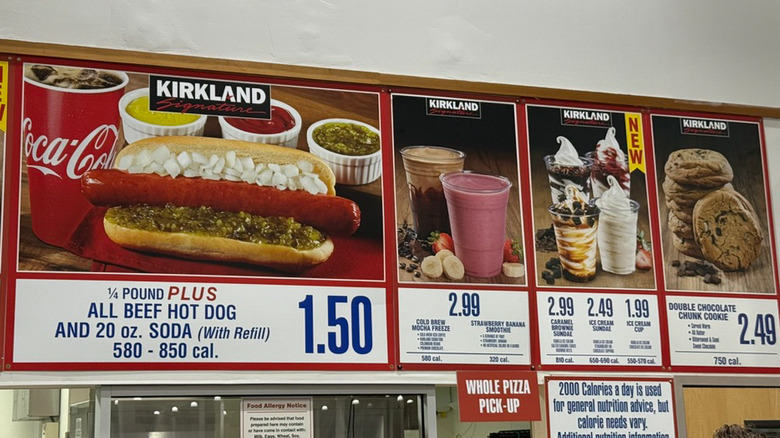
The Wall Street Journal Just Profiled Costco's Millionaire Cashiers. Here's the Second Half of the Story
The Wall Street Journal recently profiled a 60-year-old Costco cashier in Tucson who has spent nearly four decades with the company, and quietly built a 401(k) worth over $1 million along the way. The most striking line in the piece came from Costco's own CFO: "many thousands" of the company's U.S. hourly workers have crossed the million-dollar mark in their retirement accounts.
If you searched for that article, there's a decent chance it's because the story sounded familiar. Maybe it is your story. You've been with Costco since the Price Club days, or close to it. You put a little into the T. Rowe Price account every paycheck, the company added its annual contribution, the stock did what Costco stock has done, and one day you looked at a statement and saw a number you never expected to see. Congratulations!
We're a wealth management firm in Issaquah, Washington. Our office is a stone's throw away from Costco HQ and long-tenured Costco professionals are among the clients we know best. We help Costco professionals retire often. After reading this article, I couldn't help but think about what retirement looks like for this cashier. Growing your 401k is automatic, but taking the money out when you retire is not.
One thing that is very important to understand: Accumulating a million dollars was the half of the job Costco's plan did for you almost automatically. The second half — turning it into thirty years of income, is for you to handle.
What the WSJ story got exactly right
The piece captures something about Costco's model. The company pays above industry standard, turnover after year one sits around 7%, and the benefits are structured to reward staying — top-of-scale hourly pay now at $32.90, an extra vacation week at 30 years, and a 401(k) with an annual company contribution that grows with tenure. The profiled cashier's story — the house, the travel, the health insurance that covered his wife's three brain surgeries in full — is the payoff of that design.
It also captures the sentence we hear in our own conference room more than almost any other: "I could retire, but what would I do?"
What happens next: the five decisions in front of you
A million dollars in a 401(k) is a headline. What happens to it next is a plan. If the WSJ profile could be describing you, these are the decisions the article didn't cover.
1. Your retirement paycheck should be planned for in advance. When you retire, your paycheck stops coming in. Now your nest egg becomes your paycheck, and it's up to you to decide how you want to receive it. If you have money in your 401k, Roth IRA, and a taxable account you have a sequencing question to be answered. What money do I take first, and how much? Having a defined income plan is important to have in place before you retire. Following an optimal withdrawal sequence can have a material effect on your taxes and cash flow through retirement.
2. Your Costco stock is both your best asset and your biggest risk. Before 2016, the plan allowed your entire account in Costco stock, and legacy holdings were grandfathered when the 50% cap arrived. The stock is up more than twenty-fold since the 2008 recession — which is precisely why so many veteran employees now have dangerously concentrated accounts. Loyalty built the balance. It shouldn't run the withdrawal plan.
3. That same stock may hold a six-figure tax opportunity. The tax code's net unrealized appreciation (NUA) rules let you move appreciated employer stock out of the 401(k) and pay long-term capital gains rates on decades of growth instead of ordinary income rates. For someone whose shares cost a fraction of today's price, the difference can be enormous. But the election is unforgiving: roll the stock into an IRA first, and the opportunity is gone permanently. This decision comes before any rollover paperwork — not after.
4. The rollover itself isn't automatic. The financial industry's reflex is "roll it to an IRA." Sometimes right, sometimes not. Staying in Costco's plan preserves institutional pricing and — if you retire in or after the year you turn 55 — penalty-free withdrawals under the Rule of 55 that an IRA won't give you until 59½.
5. The gap years are your tax window. Between your last Costco paycheck and the start of Social Security and required minimum distributions, your income — and your tax bracket — may be the lowest of your adult life. Those are the years to convert pre-tax dollars to Roth, manage income for healthcare subsidies before Medicare at 65, and permanently shrink the tax bill on that seven-figure balance. Left alone until RMDs begin at 73, a large pre-tax account produces forced withdrawals that can push you into higher brackets and raise your Medicare premiums.
The question behind the question
The cashier in the WSJ story keeps working partly because Costco has been good to him, and partly because he genuinely doesn't know what retirement would be for. That's not a financial problem, but it shapes every financial decision — full retirement, part-time, phased exit, and each one leads to a different plan.
The article proves the wealth exists. It just ends where the actual planning begins.
If the story could be about you
We built our practice around Costco professionals for a reason: the plan's details — the last-day-of-year allocation rule, the NUA election, the Rule of 55, the stock concentration — reward advice that's specific, not generic. If you're a long-tenured Costco employee within a few years of the decision, Gevers Wealth offers a Costco Retirement Review that walks through all five decisions above with your actual numbers.
You spent decades taking care of members. The next decades should return the favor.
We are hosting a Costco Retirement Tax Planning Webinar on July 30th. Register here.
Schedule Time With an Advisor
FAQ:
Is the WSJ story about Costco millionaire employees accurate? Yes. Costco's CFO has stated that many thousands of U.S. hourly employees have over $1 million in their 401(k) accounts, driven by tenure-based company contributions and long-term stock growth.
How did Costco cashiers end up with $1 million 401(k)s? Decades of payroll contributions, Costco's annual discretionary contribution of roughly 4–9% of pay based on years of service, and heavy exposure to Costco stock, which has risen more than twenty-fold since 2009.
What should a Costco employee with a $1 million 401(k) do before retiring? Confirm the retirement date preserves the year's discretionary contribution, analyze Costco stock for the NUA tax election before any rollover, plan the healthcare bridge to Medicare, and map Roth conversions for the low-income gap years.
Can I lose Costco's company contribution by retiring at the wrong time? Generally yes — the discretionary contribution is allocated only to participants employed on the last day of the plan year, so timing the retirement date matters.
Trey Gevers CFP®
Trey Gevers is a CERTIFIED FINANCIAL PLANNER™ and managing partner at Gevers Wealth in Issaquah, WA, specializing in helping people navigate retirement with clarity and confidence. He's known for turning complex financial strategies into plans that are actually easy to understand — because he believes a great plan should build your future and let you enjoy the life you're living right now.
Continue Reading
Discover additional articles to help you stay informed and make thoughtful financial decisions over time.
.jpg)






.png)
.jpg)

























Book a Free Assessment Today
Set up a relaxed introductory call to see if we are a good fit.