Stocks Have Worst First Half in 50 Years
The first half of 2022 has been one of the worst for stock investors in 50 years. Here's what to make of it.

Stocks Have Worst First Half in 50 Years
The first half of 2022 has been one of the most challenging for investors in half a century. The S&P 500 is down approximately 20%, the Nasdaq is down even more, and even bonds — which typically provide ballast in a down stock market — have had their worst first half in history. It's been a painful stretch, and we want to share our perspective on what's happening and what we believe comes next.
What's Causing This?
The primary culprit is inflation — the highest in 40 years — and the Federal Reserve's aggressive response to it. The Fed is raising interest rates faster than at any time since the Volcker era of the 1980s, and this has had a dramatic impact on financial markets.
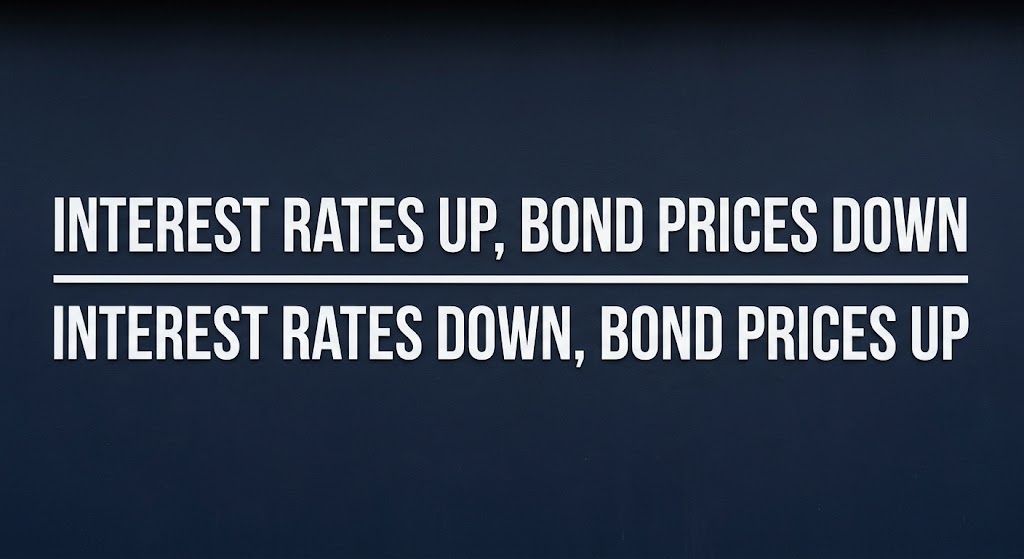
When interest rates rise rapidly: bond prices fall (which is why bonds are also having a terrible year); growth stocks are disproportionately hurt because their value is based on future earnings discounted at higher rates; and the cost of borrowing increases for businesses and consumers, slowing economic activity.
Historical Context
While this is deeply uncomfortable, it is important to remember that market downturns, even severe ones, are a normal and expected part of investing. Looking at the data:
- Since 1928, the S&P 500 has experienced a decline of 20% or more roughly every 4 years on average.
- Despite these downturns, the long-term average return of the US stock market is approximately 10% per year.
- Investors who stayed invested through the worst downturns in history — 2008, 2001–2002, the 1987 crash — were eventually rewarded with recovery and new highs.
What We Are Doing for Clients
We have been proactively reviewing income plans and ensuring that clients who need to draw from their portfolios over the next 1–2 years have adequate reserves in low-risk assets, so they are not forced to sell equities at depressed prices. We are rebalancing portfolios where appropriate to take advantage of lower prices. And we continue to monitor the economic situation closely.
What You Should Do
Stay the course. Avoid making major changes to your investment strategy based on short-term market movements. If your risk tolerance or timeline has changed, let's talk — but don't let fear drive decision-making. The investors who come out ahead over the long run are those who stay disciplined when it's hardest to do so.
We are always available to talk through any concerns. Please don't hesitate to reach out.
Willy Gevers CPWA
Willy Gevers is a CPWA® advisor and president of Gevers Wealth, bringing over 25 years of experience helping families grow, protect, and transfer wealth — with deep expertise in executive benefits, stock options, and estate planning. When he's not in the office, you'll find him on the water fly fishing, mountain biking with his family, or hosting friends for a day on the river.
Continue Reading
Discover additional articles to help you stay informed and make thoughtful financial decisions over time.
.jpg)




.png)
.jpg)




















Book a Free Assessment Today
Set up a relaxed introductory call to see if we are a good fit.